Description
Dohne Sheep – A Dual-Purpose Breed for Meat and Wool
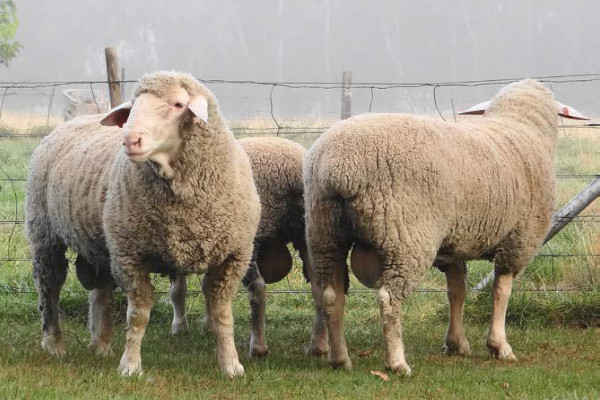
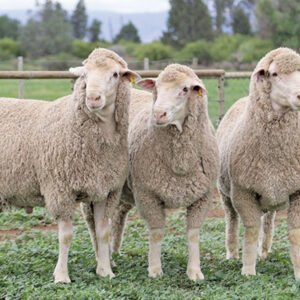
Dohne sheep are a highly versatile South African breed valued for both meat and wool production. Farmers appreciate them for rapid growth, excellent carcass quality, and fine-quality wool. Furthermore, their adaptability and hardiness make them suitable for various farming systems, from small-scale farms to large commercial operations.
Origin and Key Characteristics
Breed Development and History
The Dohne Merino was developed in South Africa by crossing Merino ewes with German Mutton Merino rams. This combination aimed to produce a dual-purpose sheep with strong muscling and fine wool quality. As a result, the Dohne quickly gained popularity among farmers seeking both wool and meat production. Learn more about Merino sheep here. See this Dohne Merino breed overview for more details.
Physical Traits
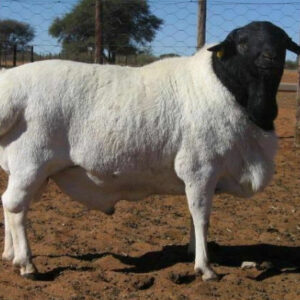
Dohne sheep are medium-sized with well-balanced frames. Rams typically weigh 90–120 kg, while ewes weigh 60–90 kg. Additionally, their fine, soft wool and well-muscled bodies make them ideal for dual-purpose farming, ensuring high returns from both wool sales and meat production.
Wool and Meat Production Advantages
Dohne sheep produce high-quality wool that is soft, strong, and suitable for fine textiles. Moreover, their lambs grow quickly and produce tender meat, giving farmers a valuable combination of income streams. Consequently, Dohne sheep remain one of the most profitable dual-purpose breeds.
Why Farmers Choose Dohne Sheep
Adaptability and Hardiness
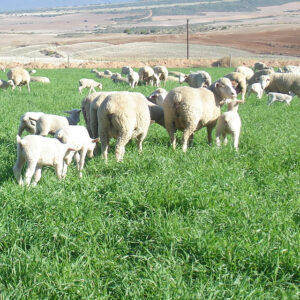
Dohne sheep thrive in semi-arid and temperate regions. Furthermore, they tolerate harsh climates and low-quality forage, making them suitable for low-input farming systems.
High Fertility and Maternal Ability
Ewes are highly fertile and have strong maternal instincts. Therefore, lamb survival rates are high, helping maintain flock productivity and profitability year after year.
Low Maintenance Requirements
The Dohne’s hardy constitution reduces health issues, and their wool coat requires minimal extra care. In addition, their disease and parasite resistance lower veterinary costs, making them a cost-effective choice for farmers.
Best Management Practices for Dohne Sheep
-
Provide balanced nutrition to support both wool growth and lamb development.
-
Rotate pastures regularly to maintain forage quality and reduce parasite buildup. Additionally, pasture rotation improves overall flock health.
-
Select breeding stock with strong muscling, fertility, and fine wool traits.
-
Monitor lamb growth to ensure consistent weight gain.
-
Maintain routine health care, including vaccinations and parasite control. Finally, keep detailed records for breeding and production performance.
Final Thoughts on Dohne Sheep
In conclusion, Dohne combine high-quality wool, tender meat, adaptability, and low-maintenance care. Therefore, farmers seeking a reliable dual-purpose breed will find the Dohne an excellent choice for sustainable and profitable farming. Overall, this breed provides consistent returns in both meat and wool production.
Reviews
There are no reviews yet.