Description
Understanding Dorper Sheep – A Leading Meat Breed
Dorper sheep are among the most popular meat-producing breeds worldwide thanks to their rapid growth, strong adaptability, and excellent carcass quality. Farmers value them for their low-maintenance nature and impressive performance under different climatic conditions. As a result, Dorper sheep continue to expand across commercial and small-scale farms. For a full overview, see our meat sheep breeds comparison.
Origin and Key Characteristics of Dorper Sheep
The Development of the Dorper Breed
The Dorper breed originated in South Africa during the 1930s when breeders crossed Dorset Horn sheep with Blackhead Persian sheep. This combination created a hardy, fast-growing meat breed capable of thriving in harsh, dry environments. Consequently, the Dorper became known for its resilience and productive efficiency.
Distinctive Physical Traits
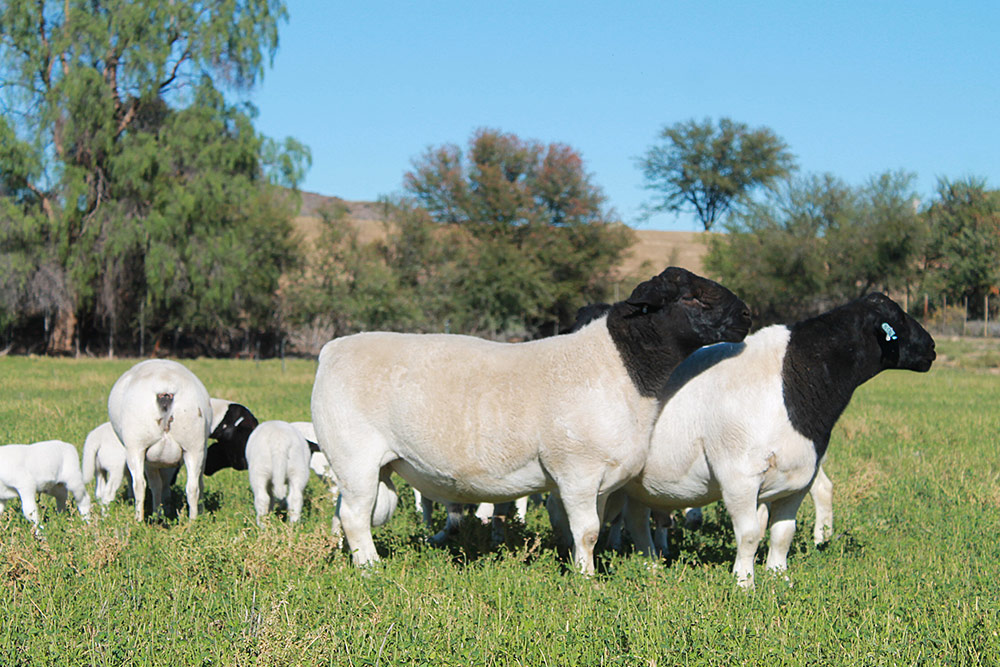
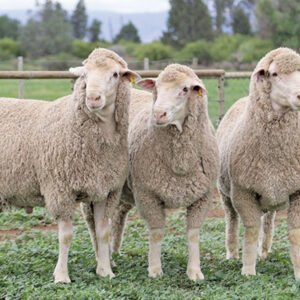
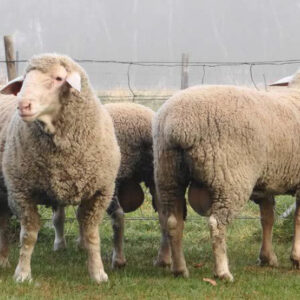
Dorper have a strong, well-muscled body and a characteristic short hair coat that sheds naturally. Therefore, they require little to no shearing, which reduces management costs. Their black-headed and white-headed varieties both show excellent meat conformation and uniformity—qualities that make them desirable in meat markets.
Growth Rate and Meat Quality
Dorper lambs grow quickly and reach market weight earlier than many wool-producing breeds. Moreover, their meat is tender and flavorful, which increases demand and profitability for farmers. Because of these advantages, Dorper sheep are favored in both intensive and extensive production systems.
Why Farmers Choose Dorper Sheep for Meat Production
High Fertility and Strong Maternal Ability
Dorper ewes are known for high fertility and reliable mothering instincts. They lamb easily and produce robust offspring, allowing farmers to maintain consistent productivity. Additionally, their ability to breed throughout the year gives producers greater flexibility in planning lambing seasons.
Adaptability to Harsh Conditions
One of the greatest strengths of the Dorper is its adaptability. The breed thrives in arid, semi-arid, and temperate climates. Furthermore, Dorpers utilize poor-quality forage efficiently, making them ideal for farms with limited feed resources.
Low Maintenance Requirements
Dorper naturally shed their hair, which eliminates the cost and labor associated with shearing. Their tough skin also resists parasites better than wool breeds, resulting in fewer health issues and reduced veterinary expenses.
Best Management Practices for Dorper Sheep
-
Provide clean water and balanced nutrition to support rapid growth.
-
Rotate pastures regularly to maintain forage quality and reduce parasite pressure.
-
Choose breeding stock with strong muscling and good growth rates.
-
Monitor lambs closely during early development to ensure consistent weight gain.
-
Maintain basic health programs, including vaccinations and deworming when necessary.
Final Thoughts on Raising Dorper Sheep
In conclusion, Dorper offer an excellent balance of adaptability, productivity, and low maintenance. Whether you manage a large commercial flock or a small farm, the Dorper remains one of the top choices for profitable and efficient meat production.
Reviews
There are no reviews yet.