Description
Understanding Merino Sheep – A Premium Wool-Producing Breed
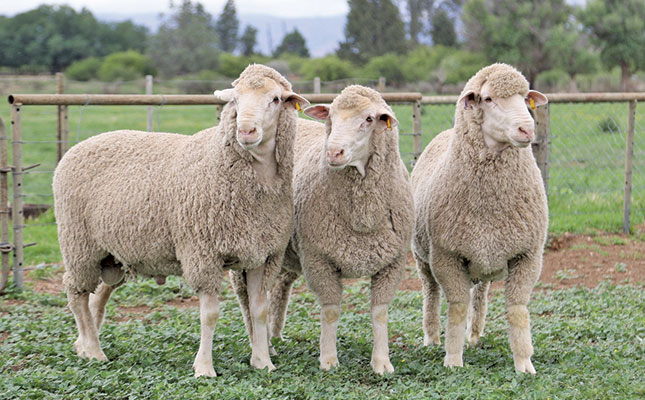
Merino sheep are widely recognized as one of the most valuable and versatile sheep breeds in the world. Farmers appreciate them for their exceptional wool quality, adaptability, and calm temperament. As a result, Merinos remain a top choice for both commercial wool producers and small-scale farmers.
Merino Sheep Origin and Key Breed Characteristics
History and Development of the Merino Breed
The Merino originated in Spain before spreading to Australia, South Africa, and other major wool-producing regions. Over time, breeders refined the sheep to create finer, softer, and more durable wool. Therefore, the modern Merino stands as a benchmark for premium wool production across the globe.
What Makes Merino Wool Unique
Merino wool is famous for its softness, breathability, and temperature-regulating properties. Unlike ordinary wool, Merino fibers are extremely fine, which makes them ideal for high-quality clothing, activewear, and luxury textiles. Additionally, Merino wool naturally resists odors and wicks moisture, providing comfort in both warm and cold climates.
Physical Traits and Performance
-
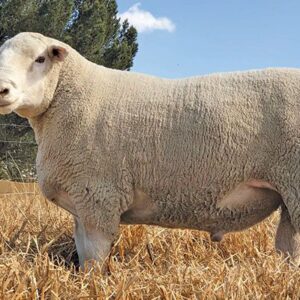
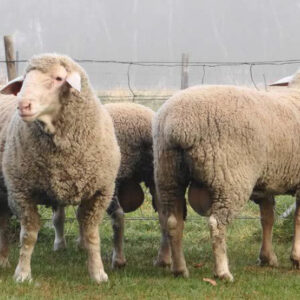
Merinos typically have strong, well-built frames with dense fleece that grows continuously.
-
Ewes usually weigh between 50–80 kg, while rams often reach 80–105 kg.
-
They thrive in a variety of environments, especially dry or semi-arid regions.
-
Merinos can produce several kilograms of premium wool per year, making them highly profitable for wool-focused farms.
Why Farmers Prefer Merino Sheep for Wool Production
Superior Wool Production
Farmers value Merino sheep primarily for their fine and high-yield fleece. Because the wool maintains consistent quality, it commands a strong price in both local and international markets. Consequently, Merinos are a preferred breed for long-term wool production.
Adaptability and Hardiness
Merino sheep adapt well to different climates, including dry lands and rough grazing areas. Furthermore, they maintain productivity even under challenging environmental conditions. This resilience makes them an excellent choice for diverse farming systems.
Calm Temperament and Manageability
Merinos generally have a calm and manageable temperament. Therefore, they respond well to handling and structured grazing systems, which allows farmers to maintain efficient and low-stress flock management.
Best Management Practices
-
Shearing: Shear Merino sheep at least once a year to maintain wool quality and prevent overheating.
-
Nutrition: Provide balanced feed to support fleece growth and overall health.
-
Parasite Control: Implement regular parasite management to protect their dense fleece and skin.
-
Breeding: Select rams and ewes with strong fleece traits, good structure, and high fertility.
-
Grazing Management: Rotate pastures to improve wool cleanliness and maintain healthy forage.
Final Thoughts on Raising Merino Sheep
In conclusion, Merino sheep offer unmatched wool quality, adaptability, and long-term profitability. Whether you’re starting a wool enterprise or expanding an existing flock, the Merino remains one of the best sheep breeds for high-value wool production.
Reviews
There are no reviews yet.