Description
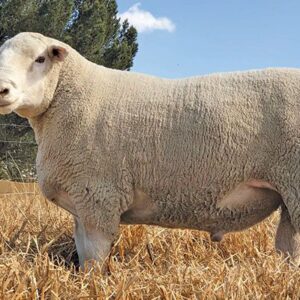
Black Headed Persian Sheep – A Hardy Fat-Tailed Breed
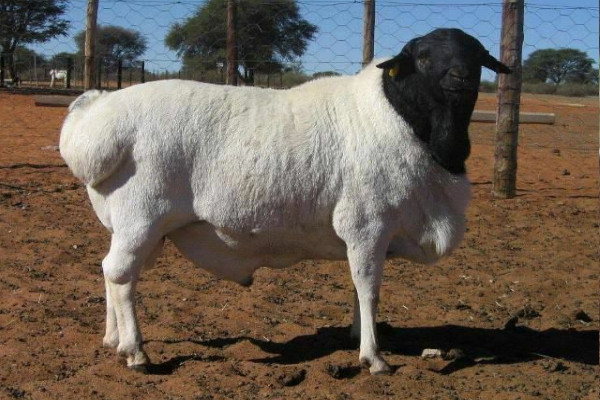
Black Headed Persian sheep are a fat-tailed breed widely recognized for their hardiness, adaptability, and meat quality. Farmers value them for their ability to thrive in arid and semi-arid environments. Furthermore, this breed provides consistent meat production, making it a top choice for sustainable and low-maintenance farming. For a full overview, see our meat sheep breeds comparison.
Origins and Key Characteristics
Breed Development and History
The Black Headed Persian originates from Somalia and Sudan before spreading to South Africa and other African regions. Over time, breeders refined the breed to increase adaptability and meat yield. As a result, the Black Headed Persian became a highly resilient and profitable meat sheep breed. See this Black Headed Persian overview for more details.
Physical Traits
This breed has a distinctive black head with a fat tail, which stores energy to help them survive harsh conditions. Rams weigh 80–120 kg, while ewes weigh 50–80 kg. Additionally, their coarse hair coat reduces the need for shearing, lowering farm maintenance costs.
Meat Production Advantages
Black Headed Persian lambs grow efficiently and produce tender, flavorful meat. Moreover, their high feed conversion ratio ensures excellent weight gain with minimal feed. Consequently, they remain a preferred choice for meat-focused farmers in challenging climates.
Why Farmers Choose Black Headed Persian Sheep
Adaptability and Hardiness
This breed thrives in arid and semi-arid regions where other sheep struggle. In addition, they tolerate heat and dry grazing conditions, making them ideal for farms with scarce resources.
Reproductive Performance
Black Headed Persian ewes have high fertility and strong maternal instincts. Therefore, lamb survival rates are high, which helps maintain a productive flock throughout the year.
Low Maintenance Requirements
Their fat tail and hair coat allow them to survive in low-input systems. Furthermore, they have strong resistance to parasites and diseases, reducing veterinary costs and labor.
Best Management Practices for Black Headed Persian Sheep
-
Provide supplemental feed during dry seasons to optimize growth.
-
Rotate pastures to maintain forage quality and reduce parasite pressure. Additionally, this improves overall flock health.
-
Select breeding stock with strong muscling and proven growth rates.
-
Monitor lambs closely to ensure consistent weight gain and survival.
-
Maintain routine health care, including vaccinations and parasite control. Finally, record keeping helps track productivity and breeding performance.
Final Thoughts on Black Headed Persian Sheep
In conclusion, Black Headed sheep combine resilience, high meat yield, and low-maintenance care. Therefore, farmers seeking a profitable and hardy meat breed will find this fat-tailed breed an excellent addition to their flock. Overall, it offers reliability and efficiency in diverse farming systems.
Reviews
There are no reviews yet.