Description
Kalahari Red Goats – Hardy Meat Goats for Arid Regions
Kalahari Red goats are a robust meat breed known for their hardiness, rapid growth, and adaptability to arid environments. Moreover, they are favored by farmers in Southern Africa for their high fertility, disease resistance, and quality meat production. Consequently, these goats are an excellent choice for low-input, sustainable farming systems.
Origin and Key Characteristics
Breed History
Kalahari Red goats were developed in South Africa from indigenous Red Karakul and Boer goats. Over time, breeders focused on improving growth rates, muscling, and adaptability to dry climates. As a result, Kalahari Reds became one of the most reliable meat goat breeds in arid and semi-arid regions.
Physical Traits
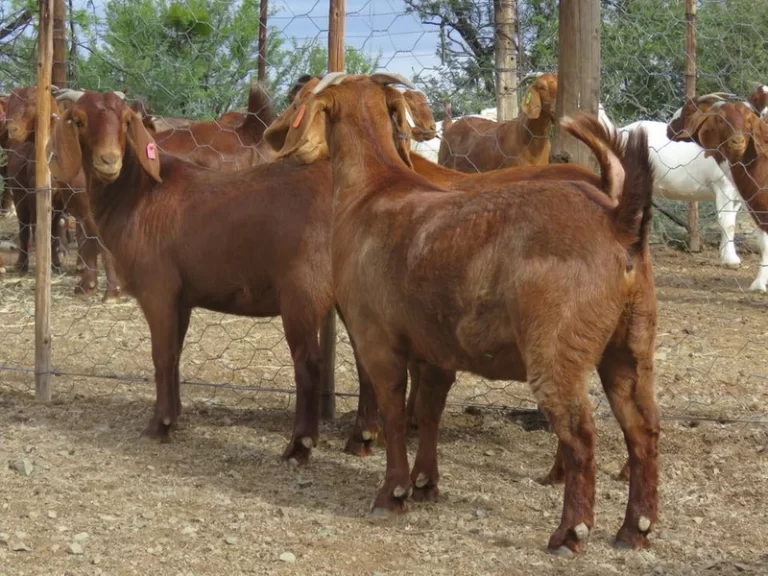
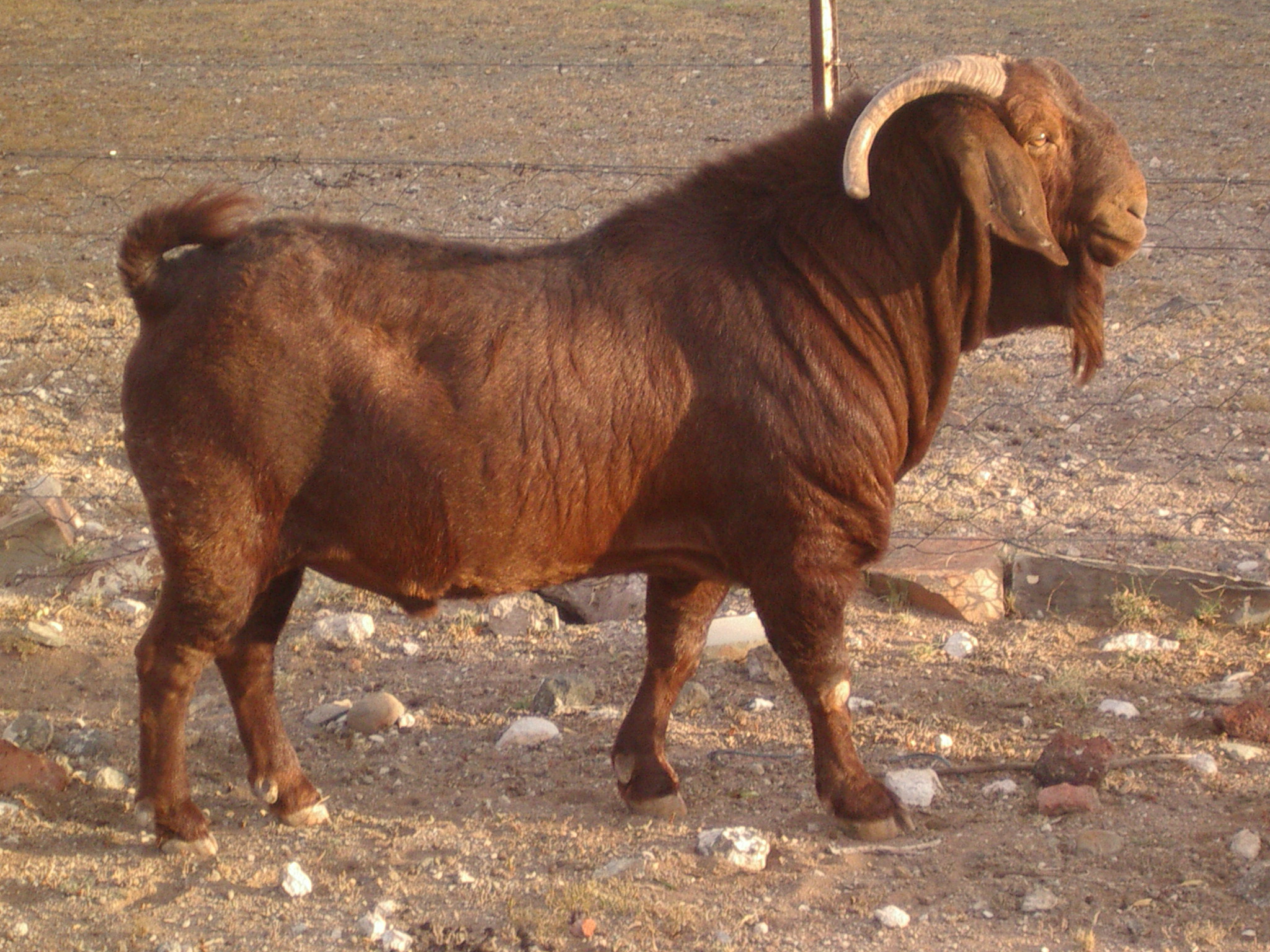
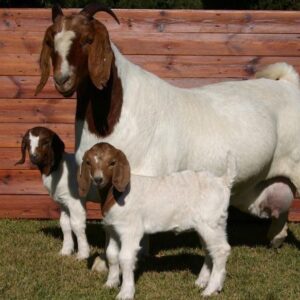
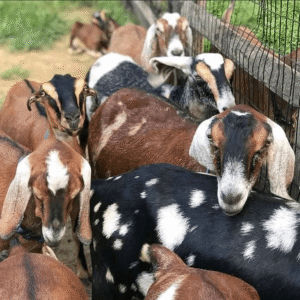
These goats are medium to large in size, with distinctive reddish coats, strong legs, and well-muscled bodies. Rams weigh 80–120 kg, while does weigh 50–80 kg. Additionally, their red coat helps reflect sunlight, providing an advantage in hot environments.
Meat Production Advantages
Kalahari Red goats grow quickly and produce lean, tender meat. Furthermore, their carcasses have a high meat-to-bone ratio, making them highly desirable in commercial meat markets. Therefore, they offer farmers a profitable return on investment.
Why Farmers Choose Kalahari Red Goats
Adaptability and Hardiness
Kalahari Reds thrive in arid and semi-arid regions where forage can be scarce. In addition, they tolerate heat, drought, and harsh grazing conditions, which reduces feeding costs and farm management effort.
High Fertility and Maternal Ability
Does are highly prolific and exhibit strong maternal instincts. Consequently, lamb survival rates are high, ensuring a productive herd year after year.
Low Maintenance Requirements
The breed’s natural disease resistance, low susceptibility to parasites, and minimal grooming needs make them ideal for farmers seeking low-input operations. Moreover, their robust health reduces veterinary expenses.
Best Management Practices for Kalahari Red Goats
-
Provide a balanced diet with adequate protein to support growth and meat quality.
-
Rotate pastures to prevent overgrazing and reduce parasite loads. Additionally, this enhances overall herd health.
-
Select breeding stock based on muscling, fertility, and growth rates.
-
Monitor kids closely for consistent weight gain and survival.
-
Maintain routine health care, including vaccinations and deworming. Finally, keep accurate records to track productivity and breeding performance.
Final Thoughts on Kalahari Red Goats
In conclusion, Kalahari Red goat combine rapid growth, high meat yield, adaptability, and low-maintenance care. Therefore, they are an ideal choice for farmers in arid regions seeking a profitable and sustainable meat goat breed. Overall, these goats provide reliability, efficiency, and long-term productivity.

Reviews
There are no reviews yet.