Description
Mutton Sheep – A Prime Choice for Meat Production
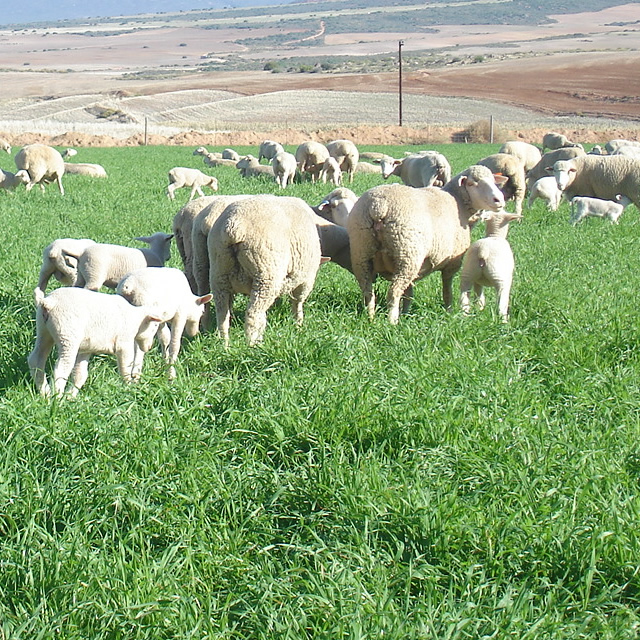
Mutton sheep are primarily raised for meat rather than wool, making them a top choice for commercial meat producers. Moreover, these sheep are known for their rapid growth, excellent carcass quality, and adaptability to a variety of environments. Consequently, farmers worldwide rely on mutton sheep to provide consistent, high-quality meat.
Origin and Key Characteristics
Breed History
Meat sheep include several breeds specifically developed for meat production, such as Dorset, Dorper, and Suffolk. Over time, selective breeding focused on improving muscling, growth rate, and feed efficiency. As a result, these breeds consistently produce lambs with high market value.
Physical Traits
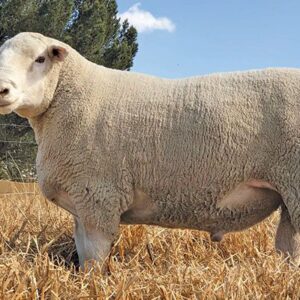
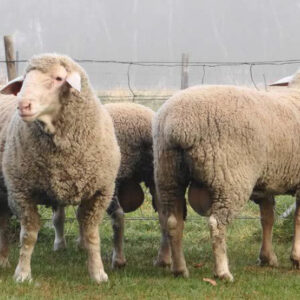
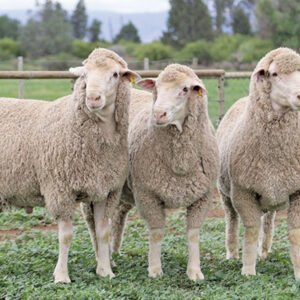
These sheep are well-muscled and heavy-bodied. Rams typically weigh between 90–150 kg, while ewes range from 60–100 kg. Additionally, they have strong legs and a robust constitution, which allows them to thrive under both intensive and extensive farming systems.
Meat Production Advantages
Meat sheep provide tender, flavorful meat with a high meat-to-bone ratio. Furthermore, their lambs reach market weight faster than dual-purpose or wool-focused breeds. Therefore, mutton sheep are highly profitable for commercial operations.
Why Farmers Prefer Mutton Sheep
Rapid Growth and High Yield
Meat sheep grow quickly, enabling farmers to generate revenue faster. In addition, their carcass quality ensures excellent meat yields, which improves profitability.
Adaptability and Hardiness
These breeds adapt well to different climates, including dry, semi-arid, and temperate regions. Moreover, they efficiently utilize forage and tolerate challenging grazing conditions, reducing the need for expensive feed supplements.
Low Maintenance and Management
Meat sheep generally require minimal care compared to wool-focused breeds. Besides that, their hardy nature and disease resistance reduce veterinary costs and simplify farm management.
Best Management Practices for Mutton sheep
-
Provide balanced nutrition to support rapid growth.
-
Rotate pastures to maintain forage quality and reduce parasite pressure. Additionally, this practice helps prevent overgrazing.
-
Select breeding stock with strong muscling and proven growth rates.
-
Monitor lamb development to ensure consistent weight gain.
-
Implement routine health programs, including vaccinations and parasite control. Finally, maintain detailed records for breeding and production efficiency. Refer to the National Sheep Producer Biosecurity Guide for detailed health protocols.
Final Thoughts on Raising Mutton Sheep
In conclusion, these sheep combine rapid growth, excellent meat quality, and adaptability. Therefore, they are a reliable and profitable choice for farmers focused on meat production. Overall, incorporating mutton sheep into your flock ensures high returns and efficient farm management.

Reviews
There are no reviews yet.